- Home |
- About |
- Contact Us |
- Privacy |
- Newsletter |
- Shop |
- Donate
4th Grade Long Division Worksheets

Welcome to our 4th Grade Long Division Worksheets.
Here you will find a wide range of free 4th Grade Math Worksheets,
which will help your child to learn to use long division with numbers up to 4 digits ÷ 1 digit.
4th Grade Long Division Worksheets
Single Digit Long Division
Here you will find a selection of 4th grade long division worksheets which are designed to help your child learn to divide 3- and 4-digit numbers by a single digit.
The sheets are graded so that the easier ones are at the top.
Using these sheets will help you to:
- divide a range of numbers by a single digit using long division, with and without remainders.
The Steps in Long Division
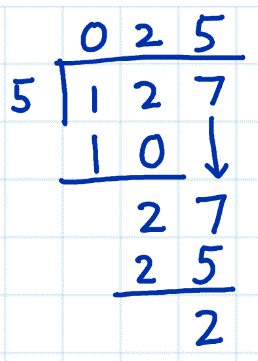
When we are doing long division, we can split the method into a series of stages with each stage having 4 steps:
Here are the 4 steps in each stage.
- Divide
- Multiply
- Subtract
- Bring the next number(s) down
We sometimes call this method the DMSB method of long division.
4th Grade Long Division Worked Examples
Example 1) Work out 176 ÷ 4.
The first thing we need to do is to write the division out in the correct long division format.
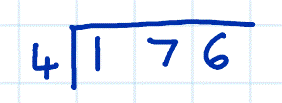
Now we repeat the 4 steps: Divide, Multiply, Subtract and Bring Down until there are no more digits left.
Stage 1
Step 1) Divide: we need to find how many groups of 4 can be made from the first digit which is 1.
You can't make any groups of 4 from 1.
We write 0 in the answer line above the digit 1.
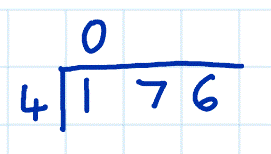
Step 2) As there are 0 groups of 4 when we divide the first digit, we can simply ignore the other steps in this stage and move on to Stage 2.
Stage 2
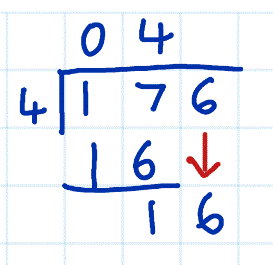
Step 1) Divide: we need to find how many groups of 4 can be made from the first two digits which are 17.
You can make 4 groups of 4 from 17.
We write 4 in the answer line above the digit 7.
Step 2) Multiply: we multiply 4 by 4 (our answer from the previous step) to make 16.
We write 16 below the 17 and draw a line underneath.
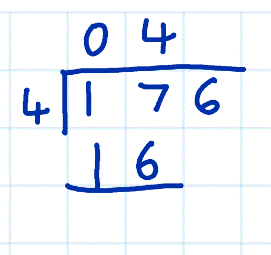
Step 3) Subtract: we work out 17 − 16 = 1.
We write 1 under the line below the number 16.
Step 4) Bring down: we bring down the next digit which is 6 and write it next to the 1. This makes the number 16.
Stage 3
Step 1) Divide: we need to find how many groups of 4 can be made from the number 16.
You can make 4 groups of 4 out of 16.
We write 4 in the answer line above the digit 6.
Step 2) Multiply: we multiply 4 by 4 (our answer from the previous step) to make 16.
We write 16 below the 16 and draw a line underneath.
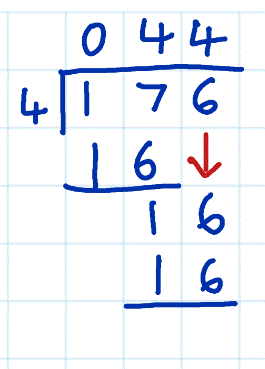
Step 3) Subtract: we work out 16 − 16 = 0.
We write 0 under the line below the number 16.
Step 4) Bring down: there are no more digits to bring down so we have finished.
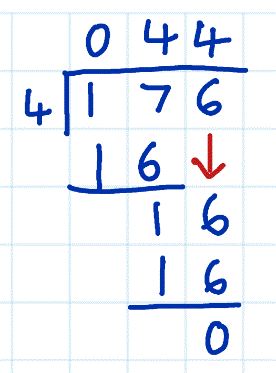
Our final answer is 176 ÷ 4 = 44
Example 2) Work out 237 ÷ 5.
The first thing we need to do is to write the division out in the correct long division format.
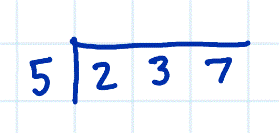
Now we repeat the 4 steps: Divide, Multiply, Subtract and Bring Down until there are no more digits left.
Stage 1
Step 1) Divide: we need to find how many groups of 5 can be made from the first digit which is 2.
You can't make any groups of 5 from 2.
We write 0 in the answer line above the digit 2.
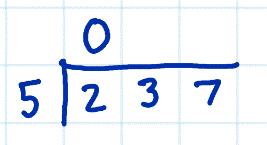
Step 2) As there are 0 groups of 5 when we divide the first digit, we can simply ignore the other steps in this stage and move on to Stage 2.
Stage 2
Step 1) Divide: we need to find how many groups of 5 can be made from the first two digits which are 23.
You can make 4 groups of 5 from 23.
We write 4 in the answer line above the digit 3.
Step 2) Multiply: we multiply 5 by 4 (our answer from the previous step) to make 20.
We write 20 below the 23 and draw a line underneath.
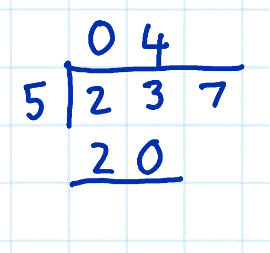
Step 3) Subtract: we work out 23 − 20 = 3.
We write 3 under the line below the number 20.
Step 4) Bring down: we bring down the next digit which is 7 and write it next to the 3. This makes the number 37.
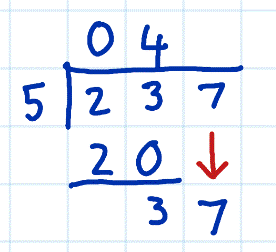
Stage 3
Step 1) Divide: we need to find how many groups of 5 can be made from the number 37.
You can make 7 groups of 5 out of 37.
We write 7 in the answer line above the digit 7.
Step 2) Multiply: we multiply 5 by 7 (our answer from the previous step) to make 35.
We write 35 below the 37 and draw a line underneath.
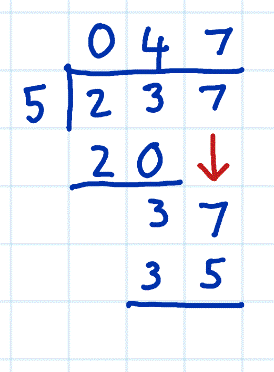
Step 3) Subtract: we work out 37 − 35 = 2.
We write 2 under the line below the number 35.
Step 4) Bring down: there are no more digits to bring down so we have finished.
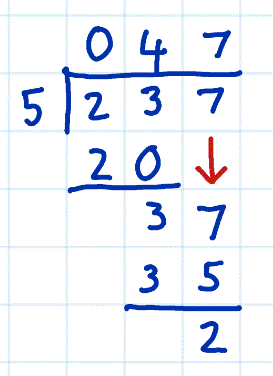
Our final answer is 237 ÷ 5 = 47 remainder 2
Example 3) Work out 851 ÷ 3.
The first thing we need to do is to write the division out in the correct long division format.
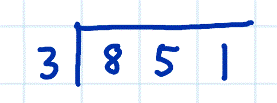
Now we repeat the 4 steps: Divide, Multiply, Subtract and Bring Down until there are no more digits left.
Stage 1
Step 1) Divide: we need to find how many groups of 3 can be made from the first digit which is 8.
You can make 2 groups of 3 from 8.
We write 2 in the answer line above the digit 8.
Step 2) Multiply: we multiply 3 by 2 (our answer from the previous step) to make 6.
We write 6 below the 8 and draw a line underneath.
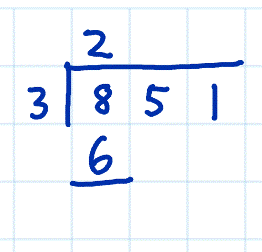
Step 3) Subtract: we work out 8 − 6 = 2.
We write 2 under the line below the number 6.
Step 4) Bring down: we bring down the next digit which is 5 and write it next to the 2. This makes the number 25.
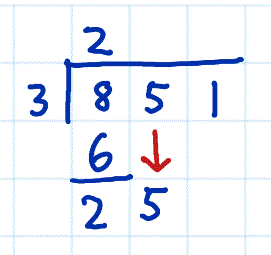
Stage 2
Step 1) Divide: we need to find how many groups of 3 can be made from the number 25.
You can make 8 groups of 3 from 25.
We write 8 in the answer line above the digit 5.
Step 2) Multiply: we multiply 3 by 8 (our answer from the previous step) to make 24.
We write 24 below the 25 and draw a line underneath.
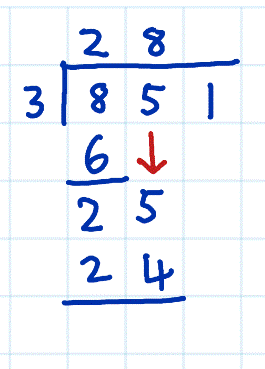
Step 3) Subtract: we work out 25 − 24 = 1.
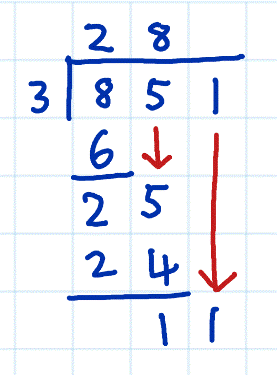
We write 1 under the line below the number 24.
Step 4) Bring down: we bring down the next digit which is 1 and write it next to the 1. This makes the number 11.
Stage 3
Step 1) Divide: we need to find how many groups of 3 can be made from the number 11.
You can make 3 groups of 3 out of 11.
We write 3 in the answer line above the digit 1.
Step 2) Multiply: we multiply 3 by 3 (our answer from the previous step) to make 9.
We write 9 below the 11 and draw a line underneath.
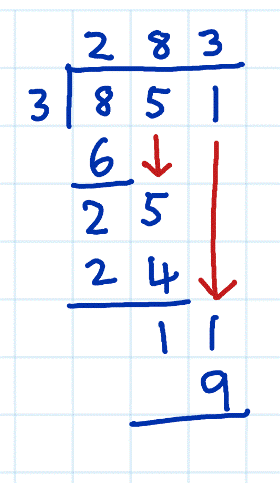
Step 3) Subtract: we work out 11 − 9 = 2.
We write 2 under the line below the number 9.
Step 4) Bring down: there are no more digits to bring down so we have finished.
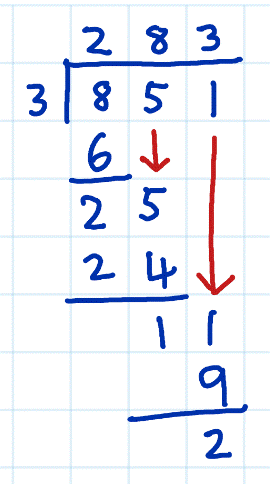
Our final answer is 851 ÷ 3 = 283 remainder 2
Example 4) Work out 6249 ÷ 3.
The first thing we need to do is to write the division out in the correct long division format.
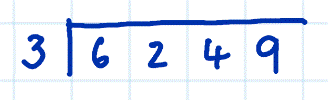
Now we repeat the 4 steps: Divide, Multiply, Subtract and Bring Down until there are no more digits left.
Stage 1
Step 1) Divide: we need to find how many groups of 3 can be made from the first digit which is 6.
You can make 2 groups of 3 from 6.
We write 2 in the answer line above the digit 6.
Step 2) Multiply: we multiply 3 by 2 (our answer from the previous step) to make 6.
We write 6 below the 6 and draw a line underneath.
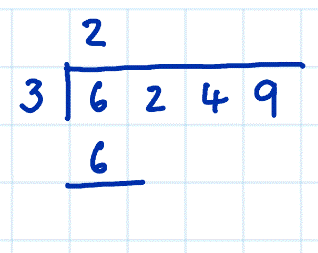
Step 3) Subtract: we work out 6 − 6 = 0.
We write 0 under the line below the number 6.
Step 4) We bring down the next digit which is 2 and write it next to the 0.
We now have our next number which is 02 (or just 2).
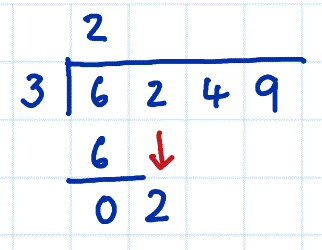
Stage 2
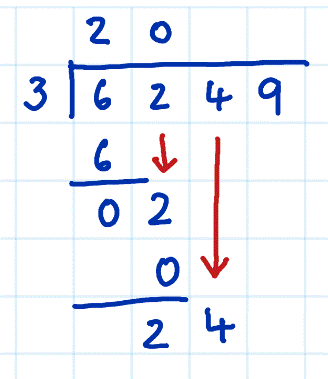
Step 1) Divide: we need to find how many groups of 3 can be made from the number 2.
You can make 0 groups of 3 from 2.
We write 0 in the answer line above the digit 2.
Step 2) Multiply: we multiply 3 by 0 (our answer from the previous step) to make 0.
We write 0 below the 02 and draw a line underneath.
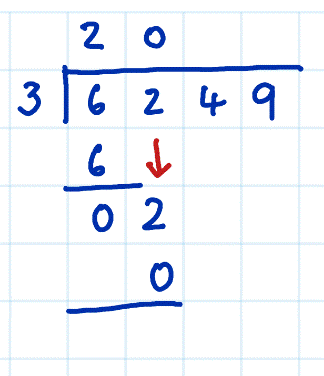
Step 3) Subtract: we work out 2 − 0 = 2.
We write 2 under the line below the number 0.
Step 4) Bring down: we bring down the next digit which is 4 and write it next to the 2. This makes the number 24.
Stage 3
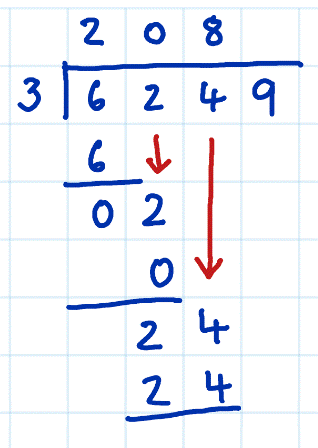
Step 1) Divide: we need to find how many groups of 3 can be made from the number 24.
You can make 8 groups of 3 out of 24.
We write 8 in the answer line above the digit 4.
Step 2) Multiply: we multiply 3 by 8 (our answer from the previous step) to make 24.
We write 24 below the 24 and draw a line underneath.
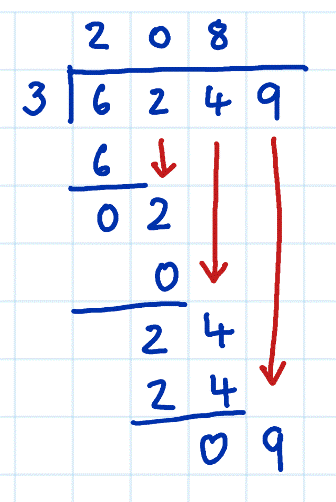
Step 3) Subtract: we work out 24 − 24 = 0.
We write 0 under the line below the number 24.
Step 4) Bring down: we bring down the next digit which is 9 and write it next to the 0. This makes the number 09 (or just 9).
Stage 4
Step 1) Divide: we need to find how many groups of 3 can be made from the number 9.
You can make 3 groups of 3 out of 9.
We write 3 in the answer line above the digit 9.
Step 2) Multiply: we multiply 3 by 3 (our answer from the previous step) to make 9.
We write 9 below the 9 and draw a line underneath.
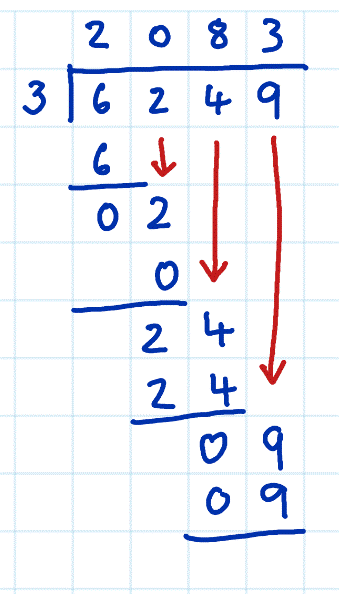
Step 3) Subtract: we work out 9 − 9 = 0.
We write 0 under the line below the number 9.
Step 4) Bring down: there are no more numbers to bring down so we have finished.
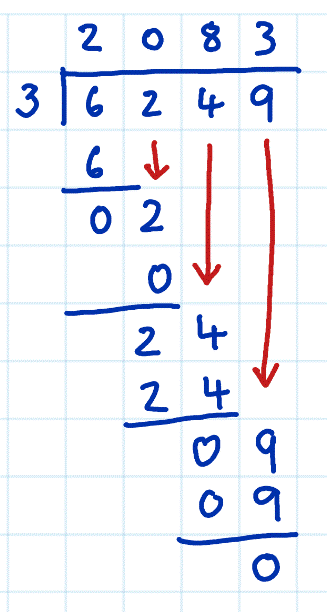
Our final answer is 6249 ÷ 3 = 2083
Example 5) Work out 2507 ÷ 9.
The first thing we need to do is to write the division out in the correct long division format.
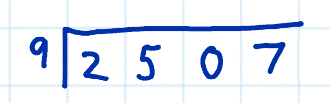
Now we repeat the 4 steps: Divide, Multiply, Subtract and Bring Down until there are no more digits left.
Stage 1
Step 1) Divide: we need to find how many groups of 9 can be made from the first digit which is 2.
You can't make any groups of 9 from 2.
We write 0 in the answer line above the digit 2.
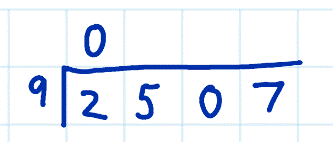
Step 2) As there are 0 groups of 9 when we divide the first digit, we can simply ignore the other steps in this stage and move on to Stage 2.
Stage 2
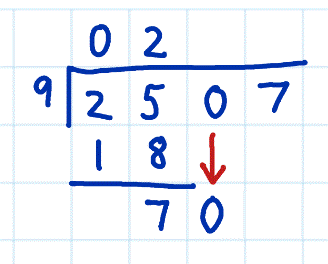
Step 1) Divide: we need to find how many groups of 9 can be made from the first two digits which are 25.
You can make 2 groups of 9 from 25.
We write 2 in the answer line above the digit 5.
Step 2) Multiply: we multiply 9 by 2 (our answer from the previous step) to make 18.
We write 18 below the 25 and draw a line underneath.
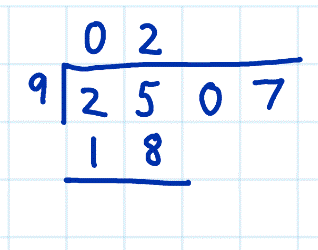
Step 3) Subtract: we work out 25 − 18 = 7.
We write 7 under the line below the number 18.
Step 4) Bring down: we bring down the next digit which is 0 and write it next to the 7. This makes the number 70.
Stage 3
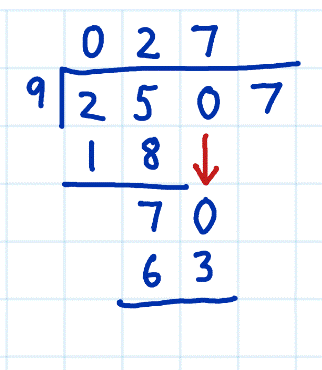
Step 1) Divide: we need to find how many groups of 9 can be made from the number 70.
You can make 7 groups of 9 out of 70.
We write 7 in the answer line above the digit 0.
Step 2) Multiply: we multiply 9 by 7 (our answer from the previous step) to make 63.
We write 63 below the 70 and draw a line underneath.
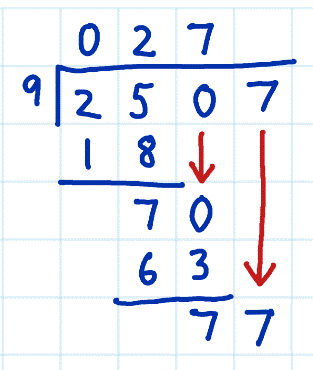
Step 3) Subtract: we work out 70 − 63 = 7.
We write 7 under the line below the number 63.
Step 4) Bring down: we bring down the next digit which is 7 and write it next to the 7. This makes the number 77.
Stage 4
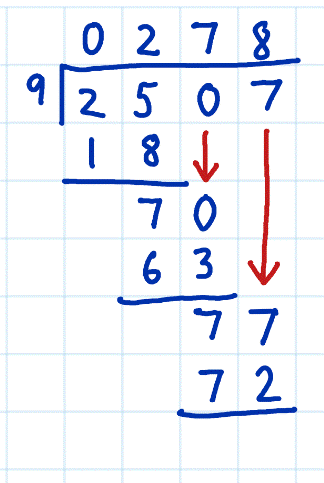
Step 1) Divide: we need to find how many groups of 9 can be made from the number 77.
You can make 8 groups of 9 out of 77.
We write 8 in the answer line above the digit 7.
Step 2) Multiply: we multiply 9 by 8 (our answer from the previous step) to make 72.
We write 72 below the 77 and draw a line underneath.
Step 3) Subtract: we work out 77 − 72 = 5.
We write 5 under the line below the number 72.
Step 4) Bring down: there are no more numbers to bring down so we have finished.
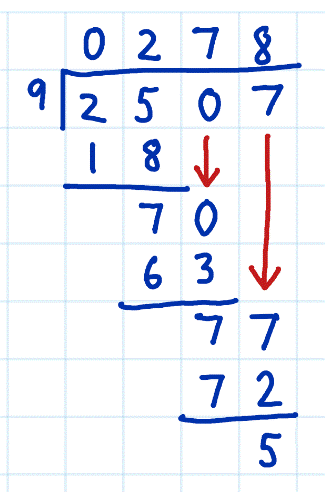
Our final answer is 2507 ÷ 9 = 278 remainder 5
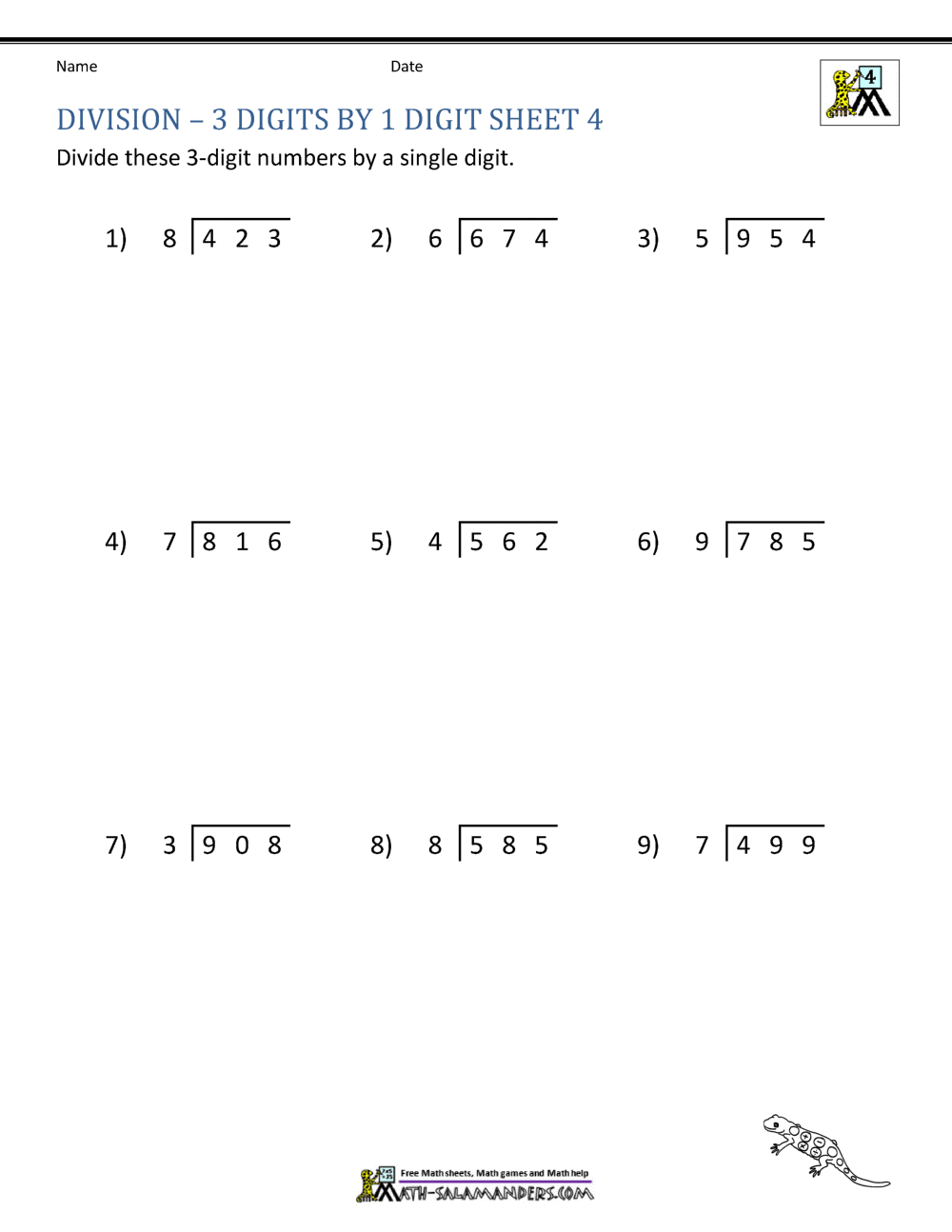
4th Grade Long Division Worksheets 3 Digits by 1 Digit
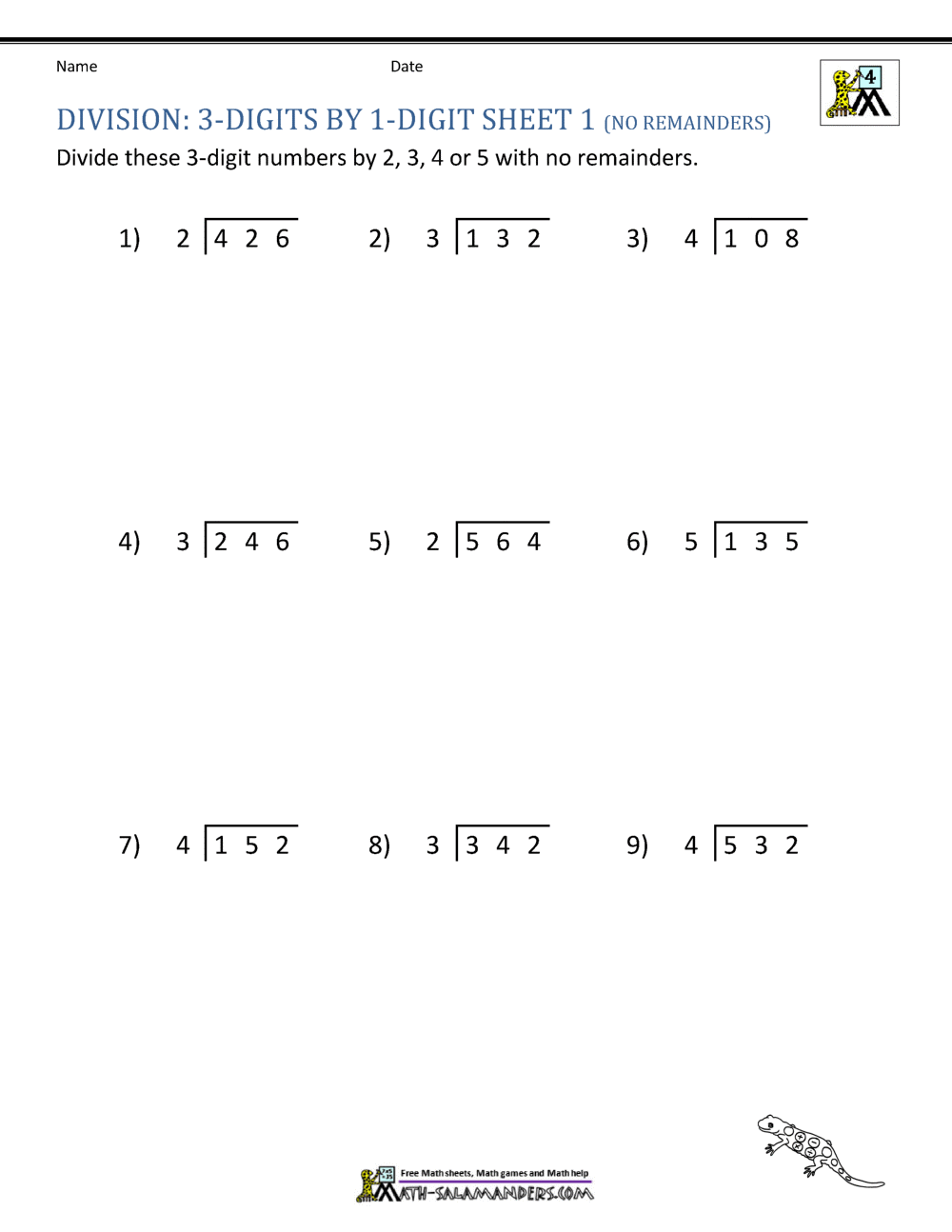
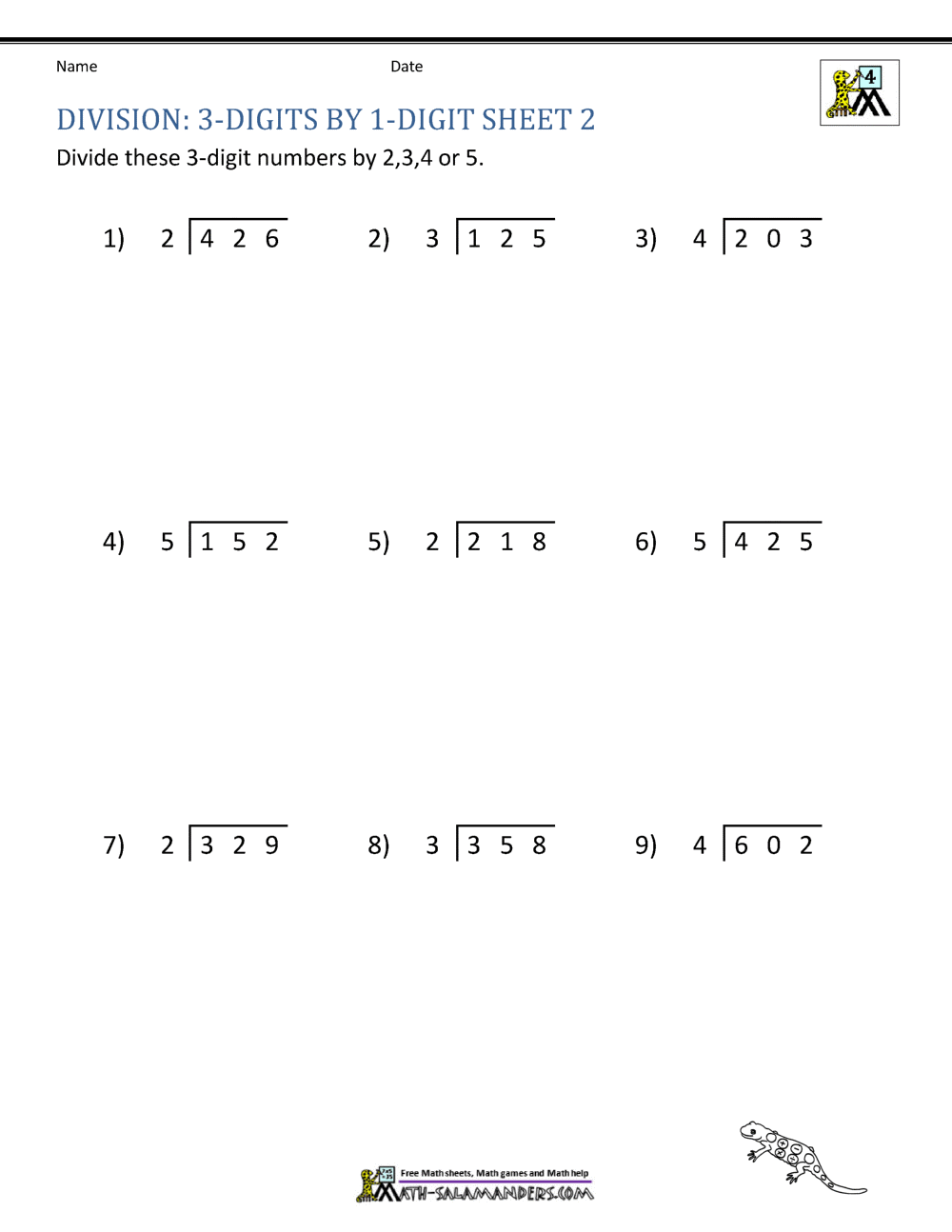
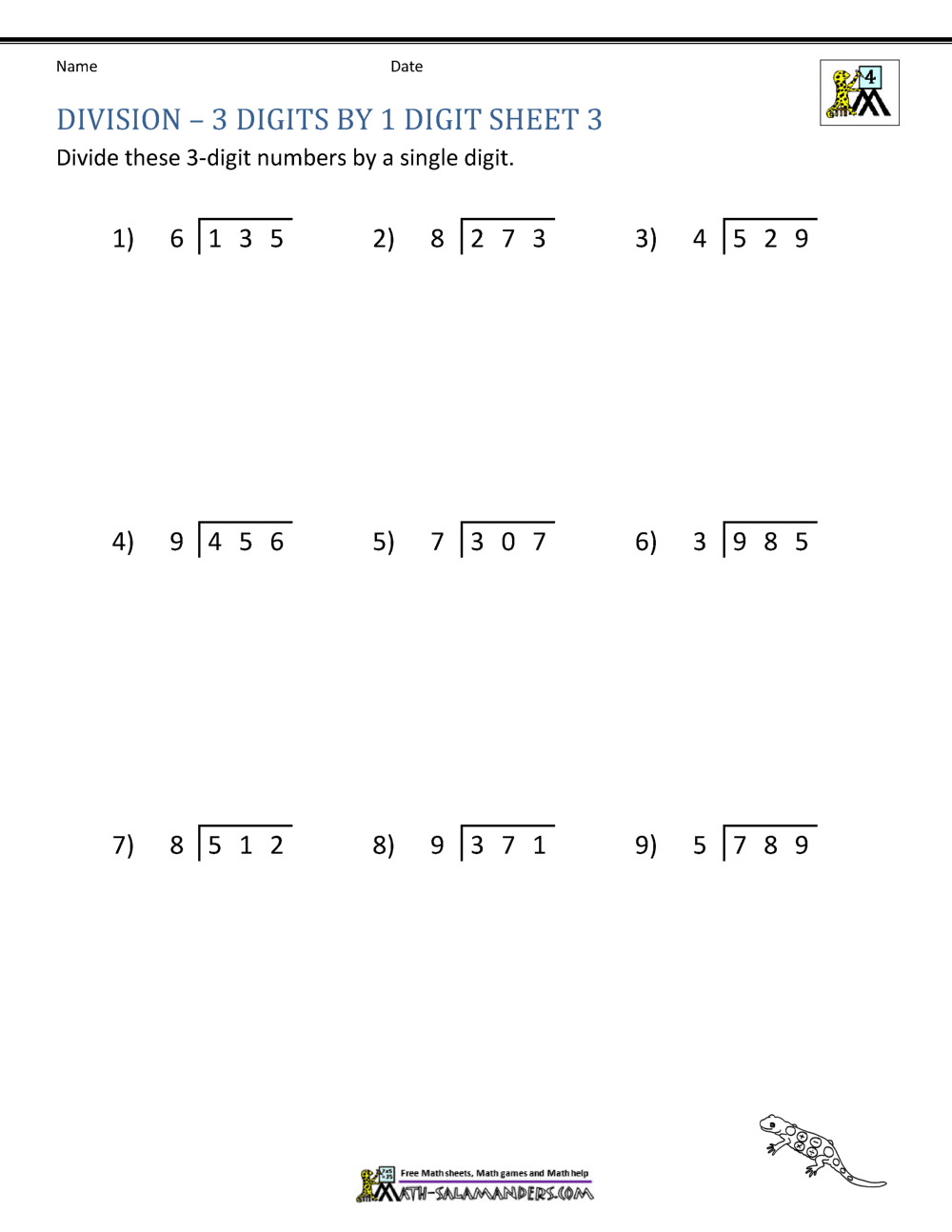
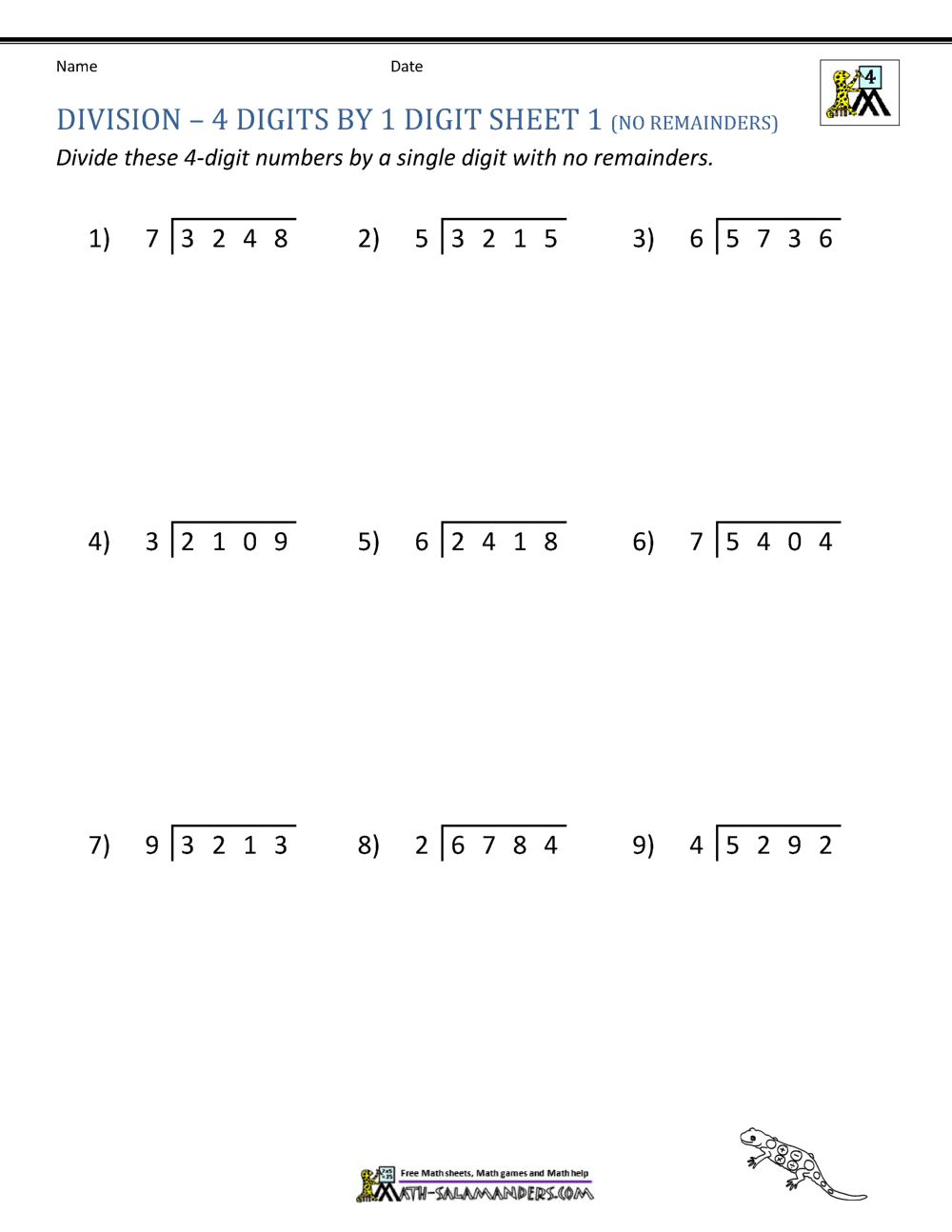
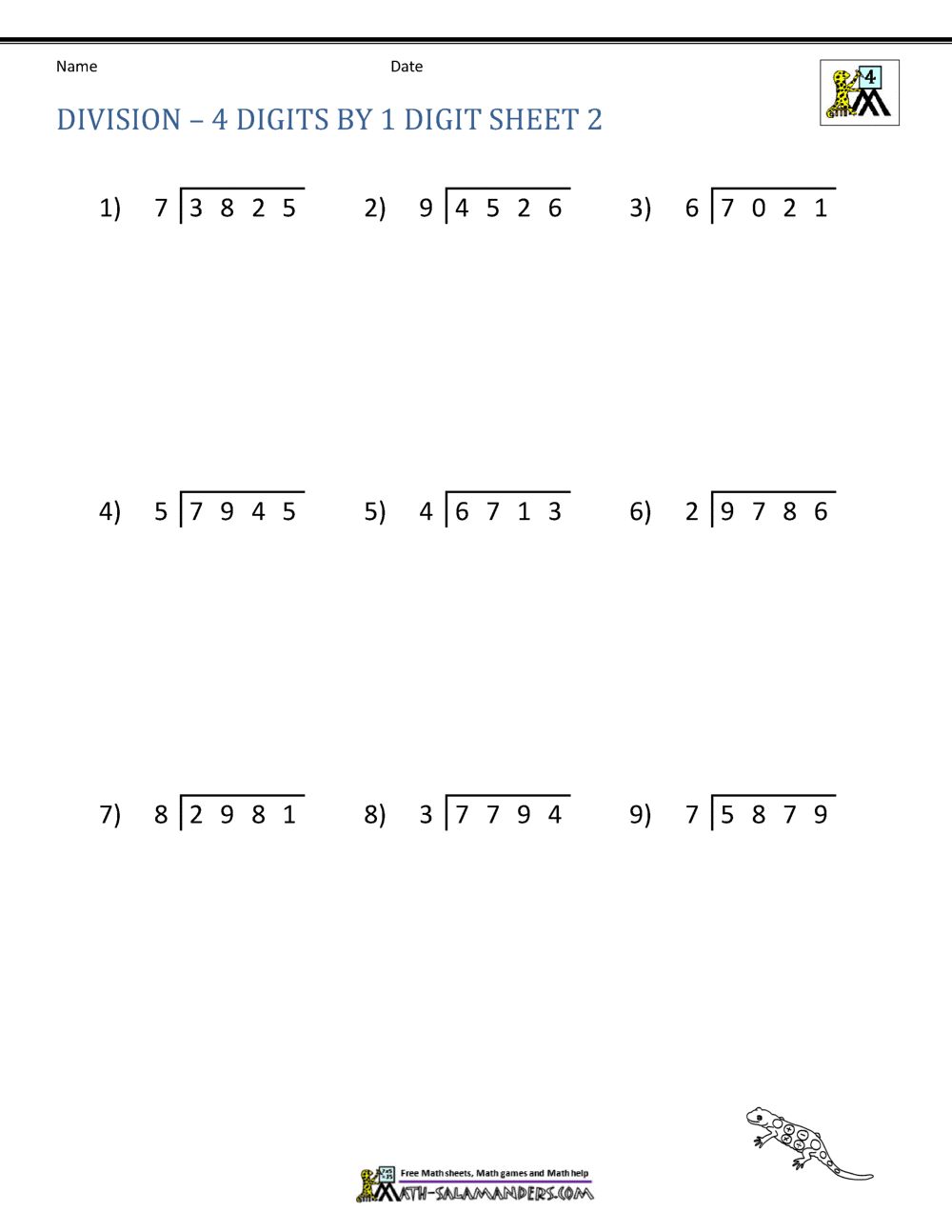
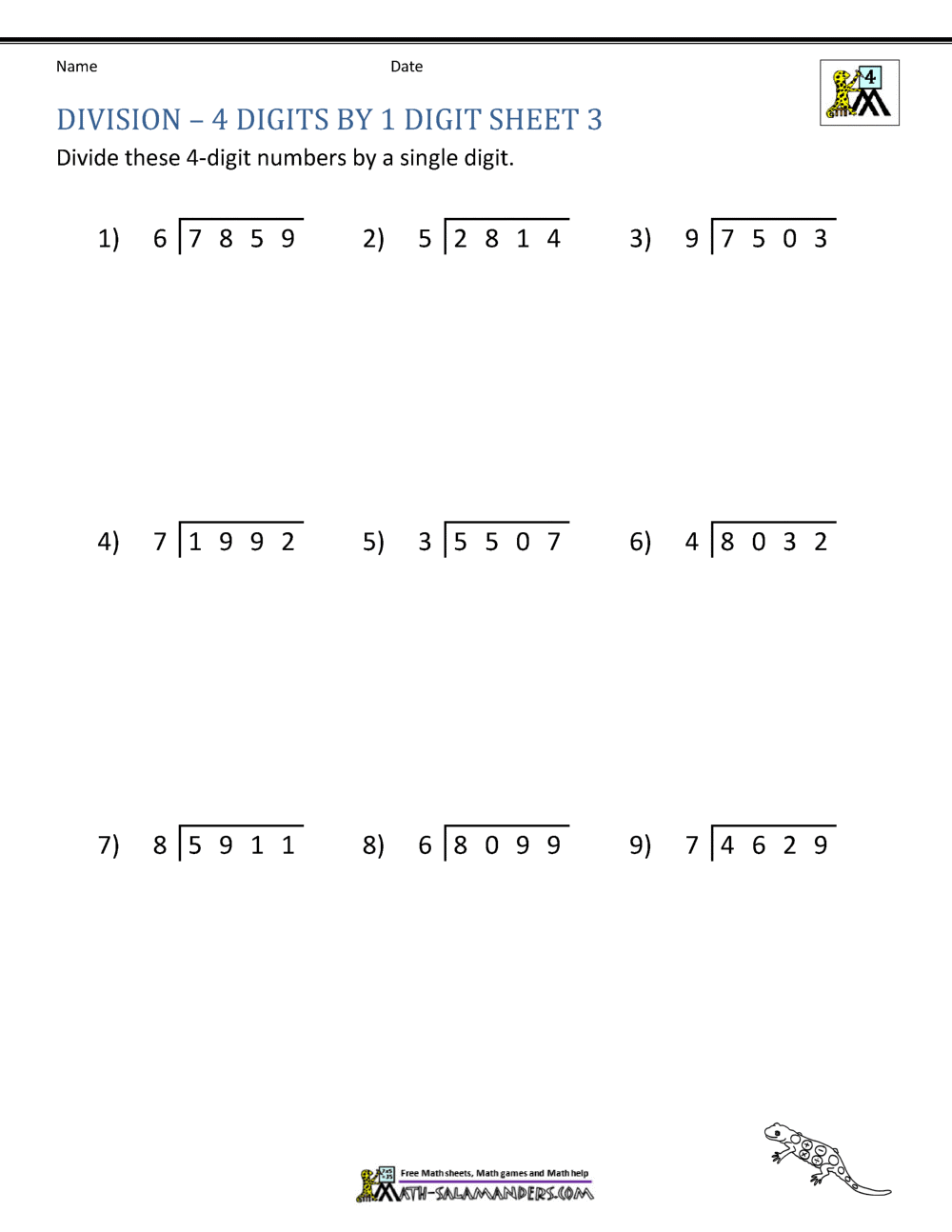
4th Grade Long Division Worksheets 4 digits by 1 digit
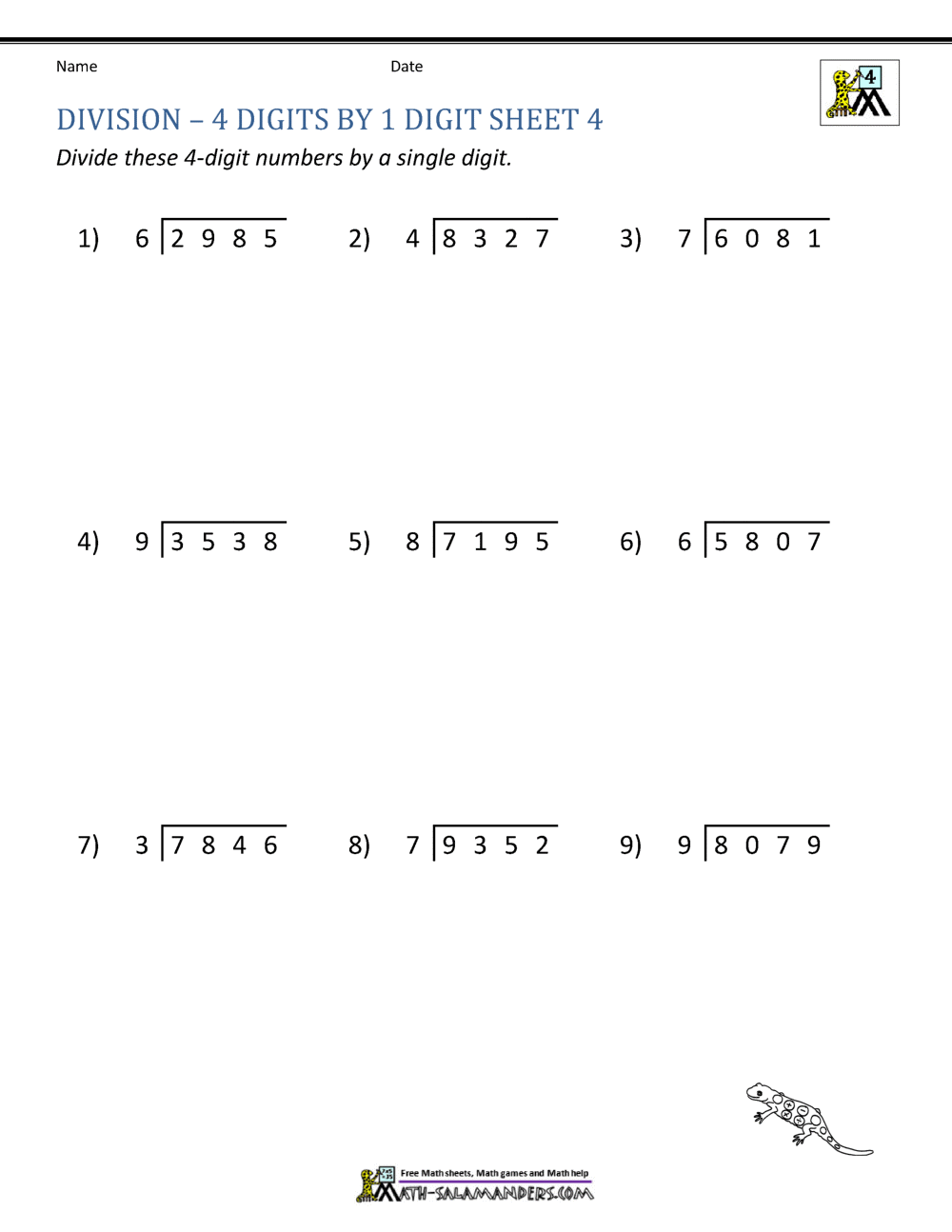
Division 4 digits by 1 digit Walkthrough Video
This short video walkthrough shows the first two questions from our Division 4 digits by 1 digit Worksheet 1 being solved and has been produced by the West Explains Best math channel.
If you would like some support in solving the problems on these sheets, check out the video!
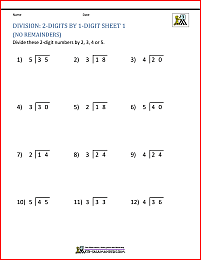
Looking for some easier worksheets?
Try some of our 3rd grade division worksheets.
These sheets cover dividing 2-digit numbers by a single digit.
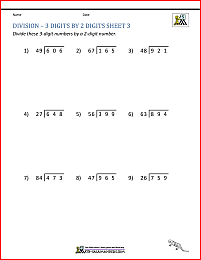
Looking for some harder worksheets?
Try some of our 5th grade division worksheets.
These sheets cover dividing 3-digit numbers up to 5-digit numbers by 2-digits.
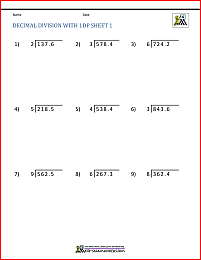
There are also some worksheets to help you understand how to divide decimal numbers.
More Recommended Math Worksheets
Take a look at some more of our worksheets similar to these.
Long Division Support
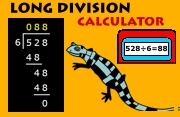
We have created a calculator to help you master the long division method.
Just type in the dividend and divisor and let the calculator show you how to work out the long division, step-by-step.
The calculator also gives commentary to show you what is happending at each stage.
Short Division vs Long Division Support
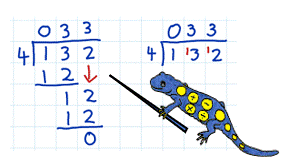
We have created a webpage to help you understand and learn about the difference between short division and long division method.
Randomly Generated Long Division Problems Worksheet Generator
Take a look at our long division problems worksheet generator.
This generator will generate your own worksheets from 2-digits by 1-digit to 5-digits by 2-digits.
You can choose to have remainders or not, and whether to record the remainders as a whole number or fraction.

More 4th Grade (Graded) Division Sheets
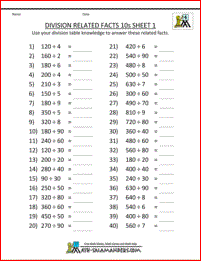
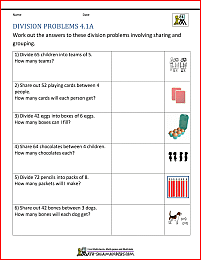
We also have a wider selection of division worksheets on related multiplication facts and also division problems.
- understand how division and multiplication are related;
- apply their division facts up to 10x10 to answer related questions involving 10s and 100s;
- solve division problems.
Fourth Grade Fraction Worksheets
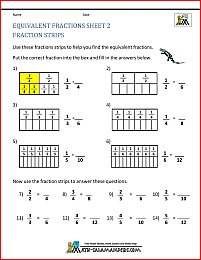
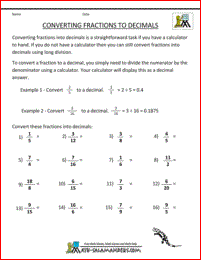
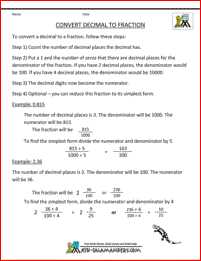
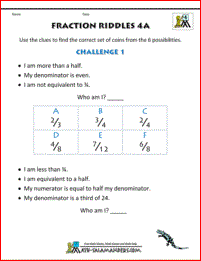
Here you will find a range of free printable 4th Grade Fraction Worksheets.
At 4th Grade level, children are introduced to different ways of looking at fractions, from fractions as points on a number line, to fractions being parts of a whole. They understand different unit fractions, e.g. a half, a quarter, a Fourth, etc, and can locate these on a number line.
Using these sheets will help your child to:
- position different fractions on a number line;
- understand equivalent fractions;
- understand what a mixed number is;
- begin to convert fractions to decimals and decimals to fractions.
All the Fourth Grade Math Worksheets in this section are informed by the Elementary Math Benchmarks for Fourth Grade.

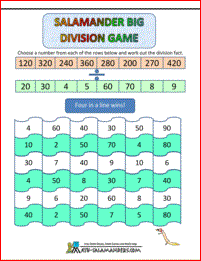
Math Division Games
Here you will find a range of Free Printable Division Games to help kids learn their division facts.
Using these games will help your child to learn their division facts, and also to develop their memory and strategic thinking skills.
How to Print or Save these sheets 🖶
Need help with printing or saving?
Follow these 3 steps to get your worksheets printed perfectly!
How to Print or Save these sheets 🖶
Need help with printing or saving?
Follow these 3 steps to get your worksheets printed perfectly!
Subscribe to Math Salamanders News
Sign up for our newsletter to get free math support delivered to your inbox each month. Plus, get a seasonal math grab pack included for free!

Return to 4th Grade Math Worksheets
Return from 4th Grade Long Division Worksheets to Math Salamanders Homepage
Math-Salamanders.com
The Math Salamanders hope you enjoy using these free printable Math worksheets and all our other Math games and resources.
If you have any questions or need any information about our site, please get in touch with us using the 'Contact Us' tab at the top and bottom of every page.
